
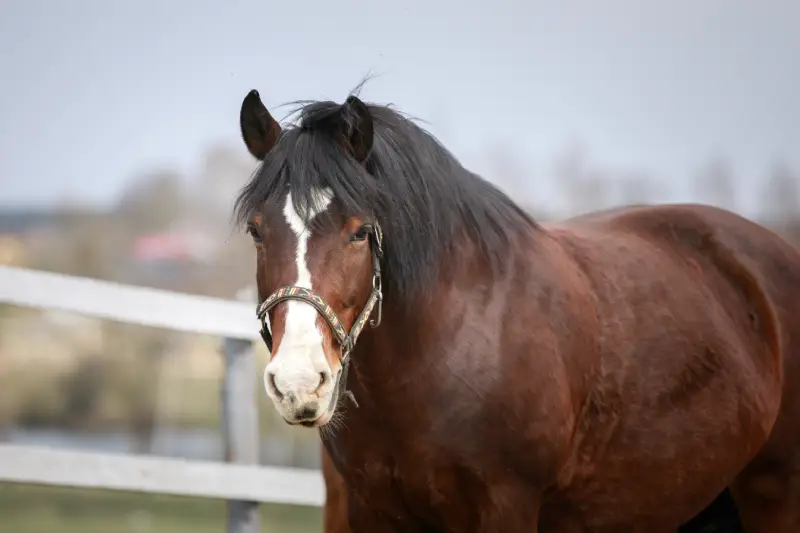
Laminitis in horses is back with a vengeance this year, and at Little Rock Equine Vets we are seeing an increasing number of cases across Staffordshire and the surrounding areas. We’re seeing more cases, often earlier in the season, and in a wider range of horses and ponies than many expect. So, what exactly is laminitis, how can we help our four-legged friends if they develop it, and—better still—how can we prevent it?
What is Laminitis in Horses?
Laminitis is a painful and potentially devastating condition affecting the laminae—the sensitive tissues that bond the hoof wall to the pedal bone. When these tissues become inflamed or damaged, the structural integrity of the hoof is compromised. In severe cases, this can lead to rotation or sinking of the pedal bone (commonly referred to as “founder”).
It’s not just a foot problem—it’s a whole-horse issue, often linked to metabolic or systemic conditions.
Which Horses Are at Risk of Laminitis?
There’s a common misconception that laminitis only affects overweight ponies. The reality is more complicated:
- Not all fat ponies get laminitis
- Not all thin ponies avoid it
While excess weight is certainly a risk factor, we also see laminitis in horses that appear to be a healthy weight—or even underweight. That’s because underlying hormonal and metabolic issues often play a major role.
The Hidden Culprits: PPID and EMS
Two of the most important underlying conditions we look for are:
- PPID (Pituitary Pars Intermedia Dysfunction) – also known as Cushing’s disease
- EMS (Equine Metabolic Syndrome)
Both conditions can disrupt insulin regulation, significantly increasing the risk of laminitis.
Testing for these conditions is essential—not just treating the laminitis episode itself. Identifying and managing the root cause can dramatically reduce the risk of recurrence.
What to Do if You Suspect Laminitis in Your Horse
Early recognition and prompt action are critical. Signs may include:
- Reluctance to move or a stiff, pottery gait
- Weight shifting between feet
- Increased digital pulses in the feet
- Heat in the hooves
- Lying down more than usual
If you suspect laminitis, contact your vet immediately. The sooner we intervene, the better the outcome.
Why Casting is Your Friend
One of the most effective tools we have in managing laminitis is hoof casting. This allows us to stabilise the foot and provide support and comfort to the pedal bone.
Casts provide continuous, supportive stabilisation to the hoof capsule. They help:
- Reduce movement within the hoof
- Support the damaged laminae
- Improve comfort
The use of casts allows us to stabilise the affected feet in the acute phase to allow us to then take radiographs to help with a more long term plan. In many cases, early use of casts can make a significant difference to both comfort and long-term prognosis.
Clogs, Heart Bars & Other Supportive Options
Alongside casting, there are several farriery techniques that can make a huge difference to comfort and recovery.
Squish Pads in Acute Laminitis
Another simple but very effective tool in the early stages of laminitis is the use of squish pads. These soft, conforming pads are placed under the foot (often secured with bandaging or tape) and work by:
- Providing immediate sole and frog support
- Reducing pressure on the damaged laminae
- Improving comfort and willingness to stand and move
- Allowing the horse to distribute weight more naturally
They are particularily useful in acute cases while waiting for more permanent support such as casts, clogs, or specialist shoeing.
Many horses show a noticeable improvement in comfort very quickly once squish pads are applied, making them a great first-aid option under veterinary guidance.
Clogs (Wooden Shoes)
Clogs are often a favourite in acute laminitis cases. They are designed to:
- Allow the horse to self-adjust weight bearing
- Reduce pressure on the painful toe area
- Provide immediate comfort
Many horses show a noticeable improvement in willingness to move once clogs are applied, making them a valuable early intervention tool.
Heart Bar Shoes
Heart bars are another commonly used option, particularly once the horse is more stable. These shoes:
- Provide frog support
- Redistribute weight away from the damaged laminae
- Help stabilise the pedal bone
They must be carefully fitted, but when used appropriately, they can significantly improve long-term hoof support.
The Key Message
There is no one-size-fits-all approach. The best results come from a tailored plan involving your vet and farrier, using the right support at the right time for each individual horse.
Laminitis Prevention: How to Protect Your Horse
1. Weight Management
Maintain a healthy body condition. Avoid rapid weight gain, particularly in spring and autumn when grass sugar levels can be high.
2. Grazing Control
- Use strip grazing or track systems
- Consider grazing muzzles
- Avoid turnout during high-risk times (sunny days followed by cold nights)
3. Regular Monitoring
Keep an eye on:
- Body condition score
- Crest development
- Changes in behaviour or movement
4. Test for Underlying Conditions
Don’t wait for repeated episodes. If your horse is at risk, testing for PPID and EMS can allow early intervention and management.
5. Work with Your Vet and Farrier
A proactive, team-based approach is key. Regular hoof care and veterinary guidance can help catch problems early and keep your horse comfortable.
Laminitis Advice from Little Rock Equine Vets
Laminitis is a serious condition, but with the right knowledge and early intervention, outcomes can be greatly improved. Remember:
- It doesn’t just affect overweight ponies
- Underlying conditions matter
- Casting can be a game-changer
- Prevention is always better than cure
If you’re concerned about laminitis in your horse or pony, or would like to discuss testing for PPID or EMS, get in touch with us on 01782 898102. Our experienced equine vets provide expert laminitis diagnosis, treatment, and prevention advice across Staffordshire and beyond—helping keep your horses happy, healthy, and sound.