
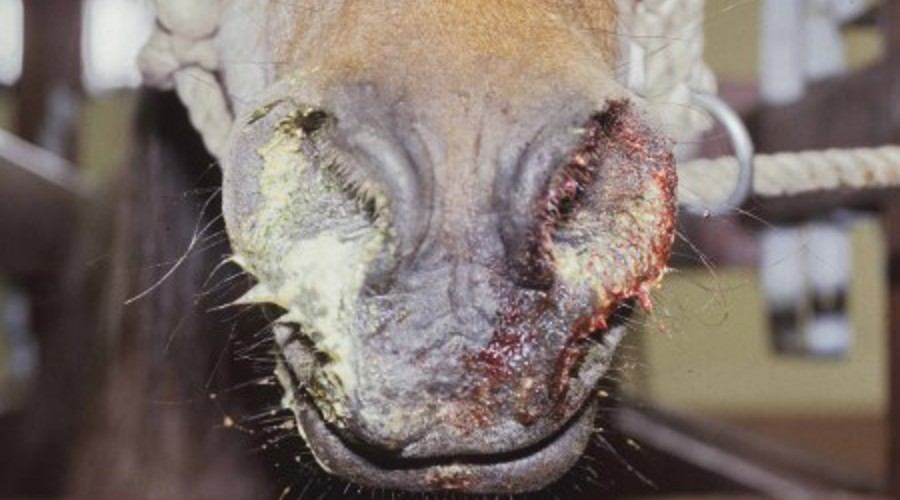
Strangles is a disease that many horse owners have heard of, and often fear. The good news is that while strangles is endemic in the UK and extremely infectious, it is unlikely to kill your horse and most horses make a full recovery.
Strangles is an upper respiratory disease caused by the bacterium Streptococcus equi equi. Although it spreads very easily between horses, the fatality rate is only around 1–2%, meaning 98% of horses will come through the disease without any long-term health implications when managed correctly.
Understanding the signs, knowing how to reduce the risk, and acting early if you are concerned are the best ways to protect your horse and others.
The Importance of Biosecurity – Before an Outbreak
Good biosecurity before there is a problem is one of the most effective ways to protect your horse.
Many diseases can cause similar signs to strangles, particularly other respiratory infections. Simple steps can make a big difference, such as:
- Knowing what is normal for your horse, especially their normal temperature
- Checking temperatures regularly so you can spot changes early
- Avoiding unnecessary close contact with other horses at shows and events
- Not sharing grooming kits, tack, buckets, mucking-out equipment or wheelbarrows
These measures don’t just reduce the risk of strangles – they help minimise the spread of any infectious disease.
Clinical Signs of Strangles
Common signs of strangles include:
- High temperature (above 38.5°C)
- Snotty nasal discharge
- Swollen glands around the head and neck
- Dull or off-colour behaviour
Not all horses will show all signs, and symptoms can vary. Early detection is key.
Diagnosis:
If your horse shows any of the above clinical signs, it is vital to contact your vet promptly so we can assess your four-legged friend.
While waiting for your vet:
- Isolate your horse immediately
- Avoid contact with other horses
- Do not be tempted to self-treat
Diagnosis is made through:
- A thorough clinical examination
- Nasopharyngeal swab sample
The advantage of the swab is that it doesn’t just test for strangles – it also checks for other upper respiratory diseases, including:
- Equine Influenza
- Streptococcus zooepidemicus
- Equine Herpes Virus
This ensures the correct diagnosis and appropriate management.
Treatment:
Treatment depends on the stage and severity of the disease and is tailored to each individual horse.
Management often focuses on:
- Careful monitoring
- Supportive treatment
- Pain and fever control where needed
- Strict biosecurity and isolation
Your vet will guide you through the most appropriate plan for your horse.
Biosecurity Measures During and After an Outbreak
Good biosecurity becomes even more important once strangles is suspected or confirmed. This includes:
- Strict isolation of affected horses
- Dedicated equipment and clothing
- Careful hand hygiene
- Controlled movement of horses on and off the yard
Your vet will provide clear guidance to help protect your horse and others on the premises.
How you can help you and your horse:
- Monitor your horse daily for changes in behaviour, appetite, or temperature
- Act early if something doesn’t seem right
- Follow veterinary advice carefully
- Maintain good yard biosecurity at all times
How you can help others:
Strangles spreads easily, often unintentionally. You can help protect other horses by:
- Being open and honest if your horse is unwell
- Avoiding events, shows or shared facilities if there is a concern
- Following isolation and testing advice fully
Responsible actions help prevent wider outbreaks.
If Your Horse Is Slightly Under the Weather
If your horse or pony seems a little off:
- Keep them separate from others
- Monitor their temperature
- Call your vet if you are worried
A phone call will cost you nothing and may give you advice that helps your horse recover quickly — or prevents a bigger problem from developing. As always we are here to help and can be reached on 01782 898102.