
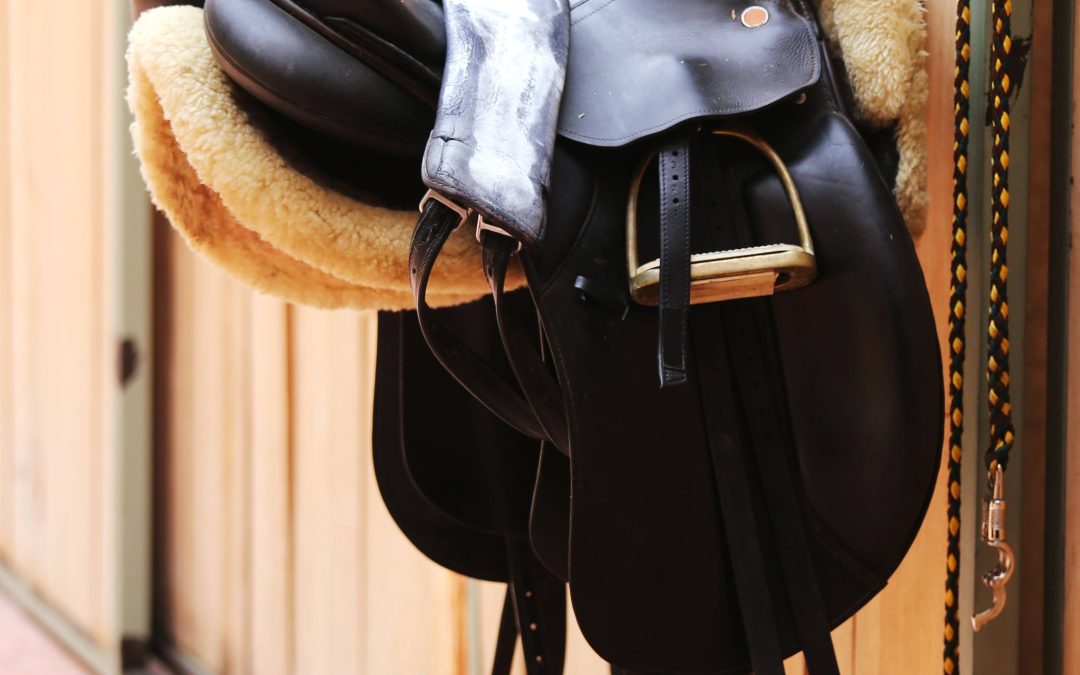
A poorly fitting saddle doesn’t just cause discomfort — it can quietly affect your horse’s performance, behaviour and long-term soundness.
At Littlerock Equine Vets, as an ambulatory equine practice, we frequently see horses where saddle fit is playing a much bigger role than first expected. Often the signs are subtle to begin with, but over time the consequences can become significant.
Why Saddle Fit Matters
Your saddle should distribute weight evenly across your horse’s back, allowing freedom of movement through the shoulders and spine. When this balance is lost, pressure points develop. These areas of concentrated pressure can quickly lead to soreness and muscle damage.
Even a saddle that once fitted well may no longer be suitable. Horses change shape with age, fitness, workload, weight fluctuations and competition demands — and your saddle must adapt accordingly.
What Can Happen With Poor Saddle Fit?
A badly fitting saddle can contribute to:
- Back pain and muscle soreness
- Uneven or lost topline muscle
- Restricted shoulder and back movement
- Rubs or pressure sores
- Girthiness or sensitivity when grooming
- Behavioural changes such as bucking, rearing or refusing to move forward
- Poor performance or decreased willingness to work
- Secondary lameness caused by altered movement patterns
Over time, chronic pressure and discomfort can lead to compensation injuries, joint strain and long-term soundness issues. What starts as mild soreness can progress into more complex musculoskeletal problems if left unaddressed.
The Importance of Regular Saddle Checks
It is vital that your saddle is checked by an approved registered saddle fitter — ideally a Master Saddler — at least every six months.
More frequent checks are advisable if:
- Your horse has gained or lost weight
- There has been a loss of topline
- Workload has increased
- Your horse is competing regularly
- Your horse is returning from injury or rehabilitation
Flocking maintenance is particularly important. Over time, flocking compresses, creating uneven pressure points. When this happens, even a previously well-fitting saddle can begin to cause discomfort, leading to sore backs and reduced performance.
How to Perform a Basic Saddle Check Yourself
While only a qualified saddle fitter can properly fit and adjust a saddle, there are simple checks you can carry out weekly to help identify potential problems early.
1. Check the Panels
Turn the saddle upside down and feel along the panels.
Look for dips, lumps or uneven areas that may indicate compressed flocking.
2. Place the Saddle Directly on the Back
Position the saddle on your horse’s back without a saddle pad. This allows you to see how it truly sits.
3. Check for Symmetry
Stand directly behind your horse and assess whether the saddle sits evenly.
It should not tip or sit more to one side.
4. Look at Spinal Clearance
Check the daylight visible through the centre of the saddle:
- Too much clearance may indicate the saddle is sitting too high.
- Too little clearance may suggest compression across the back.
Regular self-checks — ideally once a week — help you identify when it’s time to call in a professional.
Good Saddle Fit Helps To:
- Protect your horse’s back and spine
- Allow correct movement and muscle development
- Prevent pain before it becomes injury
- Support a happier, more willing partner
- Improve comfort and performance
A comfortable horse is far more likely to perform to its potential.
When Should You Seek Veterinary Advice?
If your horse develops:
- Unexplained back soreness
- Behavioural changes under saddle
- Reduced performance
- Signs of discomfort when being tacked up
Saddle fit should always be part of the conversation.
At Little Rock Equine Vets, we are happy to assess your horse and work collaboratively with experienced saddle fitters to ensure your horse remains comfortable, sound and able to perform at their best.
If you have concerns about your horse’s saddle fit, back pain or performance issues, please get in touch
📞 01782 898102
We’re here to help keep your horse feeling their best.